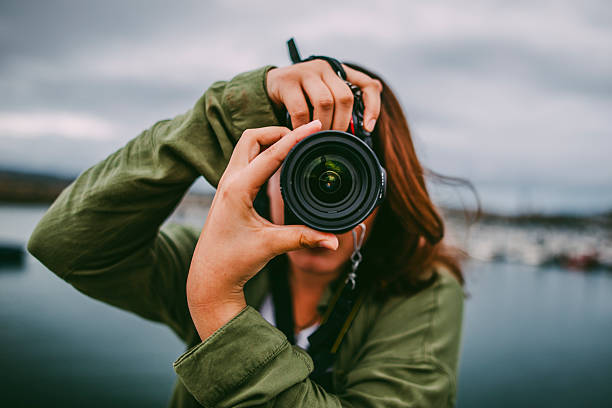

Capturing great photos is a combination of technical know-how and creative intuition. Whether you’re using a smartphone or a professional camera, here are five tips to help you take great photos:
- Master Composition Techniques: Composition is a key element in photography that greatly influences the visual appeal of your images. Familiarize yourself with composition techniques such as the rule of thirds, leading lines, symmetry, and framing. Experiment with different perspectives and angles to create visually engaging and well-balanced compositions.
- Pay Attention to Lighting: Lighting is a critical factor in photography. Take note of the quality, direction, and intensity of light in your environment. Soft, natural light during the golden hour (shortly after sunrise or before sunset) often produces flattering and warm tones. Avoid harsh midday sunlight, as it can create strong shadows and overexposed highlights.
- Focus on the Subject: Ensure your main subject is the focal point of the image. Use techniques like selective focus or depth of field to draw attention to your subject while creating a pleasing background blur. Experiment with different focus points and modes to achieve the desired sharpness and clarity.
- Experiment with Perspectives and Angles: Break away from conventional angles and perspectives. Try shooting from low angles to add drama or capture unique viewpoints. Experimenting with perspectives allows you to create distinctive and visually interesting images. Don’t hesitate to get creative and explore different angles to tell your story.
- Practice Patience and Timing: Patience is often key to capturing that perfect moment. Whether you’re photographing people, wildlife, or landscapes, wait for the right moment to unfold. Anticipate action, expressions, or lighting conditions, and be ready to capture the shot. Timing plays a crucial role in photography, so be patient and observant.
- Edit Thoughtfully: Post-processing can enhance your photos and bring out their full potential. Experiment with editing tools to adjust exposure, contrast, and color balance. However, exercise restraint and avoid over-editing, as it can lead to unnatural-looking images. Strive for a balance that enhances the strengths of your photo without losing its authenticity.
Remember, these tips are just a starting point, and the most important aspect of photography is practice. The more you explore, experiment, and learn from your experiences, the more your skills will develop. Enjoy the process and let your creativity guide you as you capture moments and tell stories through your photographs.